
El Salvador eliminates trachoma as a public health problem
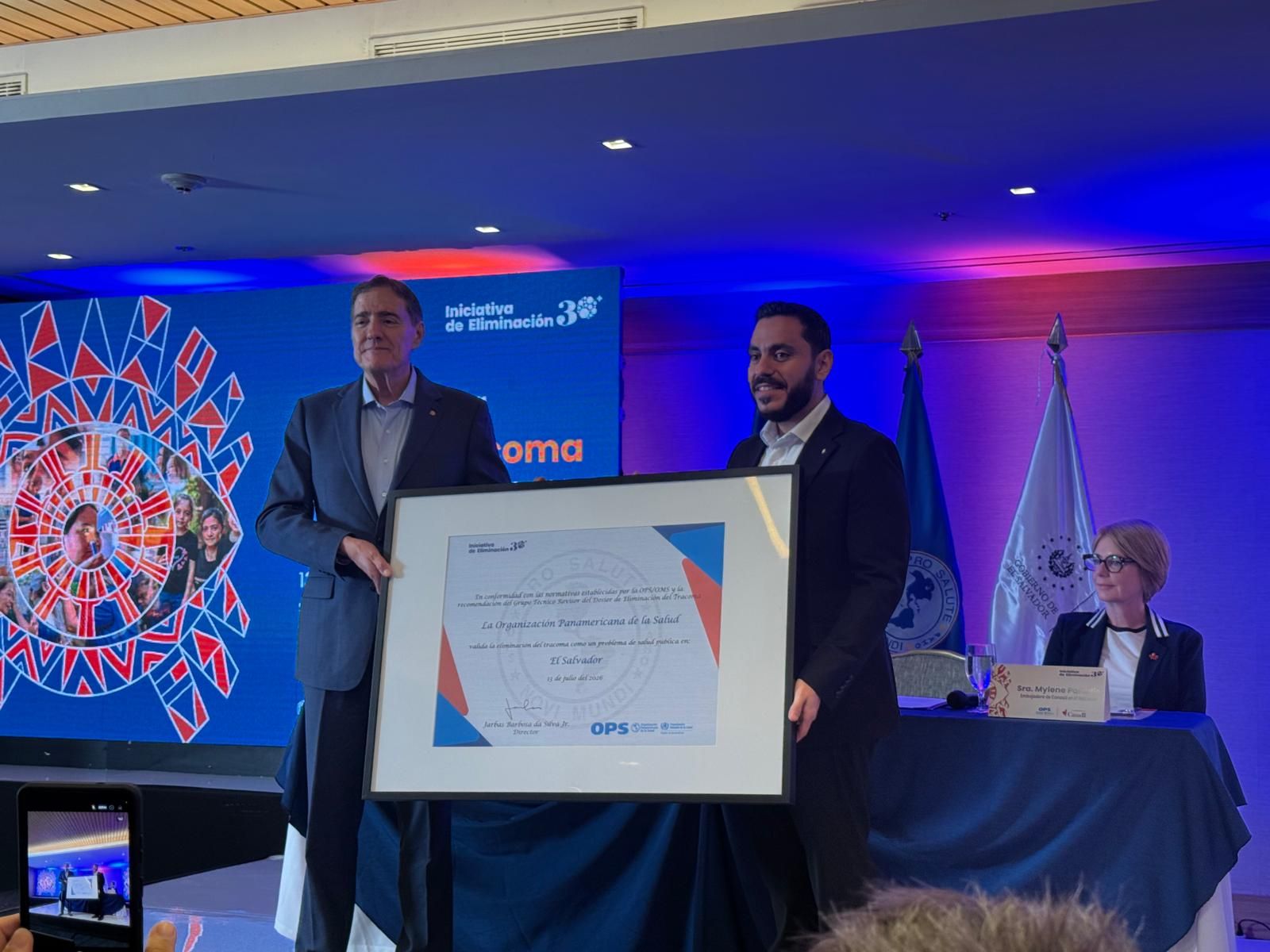
The World Health Organization (WHO) has validated El Salvador’s claim to have eliminated trachoma as a public health problem. It becomes the 32nd country globally and the second in WHO’s Region of the Americas to reach this milestone. Trachoma is the world’s leading infectious cause of blindness.
El Salvador's validation follows efforts by the Ministry of Health to better understand whether trachoma was present in the country, particularly given that other countries in the region are known to require interventions to eliminate trachoma.
In 2023, El Salvador formally joined the Trachoma Elimination Initiative for the Americas, a collaborative programme led by the Pan American Health Organization (PAHO) and WHO, with financial support from the Government of Canada. The initiative supports countries across the Americas to eliminate trachoma as a public health problem by 2030 while strengthening integrated health services and disease surveillance in endemic and at-risk communities across its 10 participating countries.
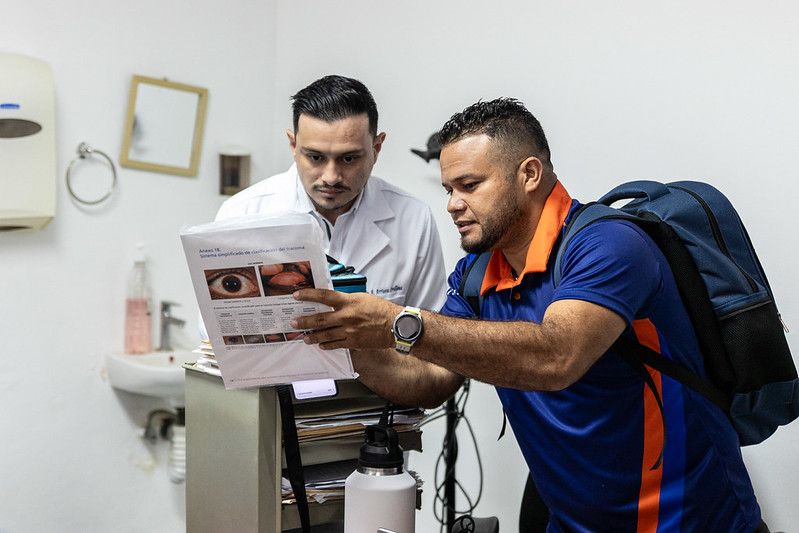
To determine whether trachoma was a public health problem in El Salvador, the Ministry of Health established a National Trachoma Technical Committee, bringing together government, academic institutions, community organisations and international partners. The committee developed a national protocol for Rapid Trachoma Evaluations and created a territorial vulnerability index to identify communities at greatest theoretical risk of transmission. Areas were prioritised based on factors including poverty, limited access to water and sanitation and geographical location.
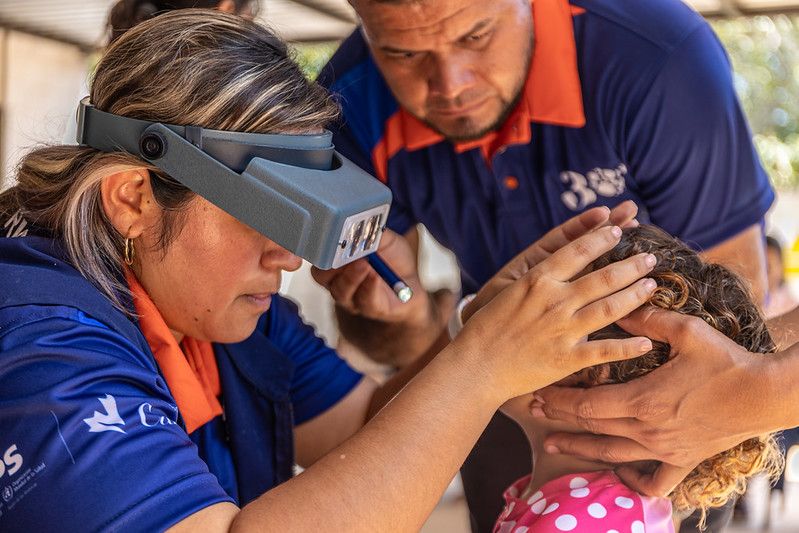
Twelve municipalities were selected for evaluation between 2024 and 2025. Survey teams trained to WHO standards by Tropical Data and other experts conducted house-to-house eye examinations among children aged 1 to 9 years and adults aged 15 years and older.
Across all 12 evaluation units, covering 3,248 people, trachoma was found not to be a public health problem. Among 2,091 children examined, only one case of trachomatous inflammation—follicular (TF) was identified. Among 1,016 adults examined for trachomatous trichiasis (TT), the blinding stage of the disease, no cases were detected.
El Salvador's validation is supported by a strong and increasingly digital health system. The National Integrated Health System maintains an electronic health record system capable of detecting and responding to any future suspected cases. Post-validation surveillance will be integrated into routine primary health care, supported by ongoing training for general physicians, nurses and community health promoters to maintain early detection capacity across the health system.
The elimination of trachoma as a public health problem in El Salvador underscores the value of epidemiological assessment. El Salvador has demonstrated that trachoma is not a public health problem, while simultaneously strengthening systems to detect and manage incident cases that may occur. The International Coalition for Trachoma Control (ICTC) congratulates the Ministry of Health and all partners involved— Michaela Kelly, Chair, ICTC
Trachoma is targeted for global elimination as a public health problem under Sustainable Development Goals target 3.3 and the neglected tropical diseases road map 2021–2030. As of November 2025, 97.1 million people are known to require interventions for trachoma globally – a 94% reduction from the 1.5 billion estimated to be at risk in 2002.
Other countries validated by WHO as having eliminated trachoma as a public health problem are Algeria, Australia, Benin, Burundi, Cambodia, China, Egypt, Fiji, The Gambia, Ghana, India, the Islamic Republic of Iran, Iraq, the Lao People's Democratic Republic, Libya, Malawi, Mali, Mauritania, Mexico, Morocco, Myanmar, Nepal, Oman, Pakistan, Papua New Guinea, Saudi Arabia, Senegal, Togo, Tunisia, Vanuatu and Viet Nam.
ICTC members and observers that supported El Salvador included Tropical Data, the Pan American Health Organization and the World Health Organization.