International Women’s Day: Honouring Dr. Mwele Malecela and Advancing Gender Equity in Trachoma Elimination
Dr Mwele Ntuli Malecela was a pioneering Tanzanian scientist and global health leader whose work transformed the fight against neglected tropical diseases (NTDs). As Director of the World Health Organization’s Department of Control of NTDs, she played a central role in shaping the 2021–2030 global NTD road map before her passing in 2022.
In recognition of her leadership, WHO and partners launched the Mwele Malecela Mentorship (MMM) Programme to equip mid-career African women with the leadership skills, mentorship and networks needed to overcome gender barriers and accelerate NTD elimination.
As mentees in the second cohort, we are privileged to carry forward Dr Malecela’s vision. The MMM Programme strengthens women’s leadership at all levels, positioning us not only to participate in national and regional NTD responses, but to shape them.
Introduction
Trachoma is the world’s leading infectious cause of blindness. Repeated infections can lead to trachomatous trichiasis (TT), where in-turned eyelashes damage the cornea and may result in irreversible blindness without surgery.
Women bear a disproportionate burden. They are approximately twice as likely as men to require TT surgery, and in some settings trachoma-related blindness is two to four times more common in women. Higher exposure linked to caregiving roles, combined with mobility constraints, financial dependence and unequal decision-making power, shapes both risk and access to care.
These gender dynamics also influence how programmes perform. Many women miss screening, surgery or even mass drug administration (MDA) because they cannot leave caregiving responsibilities, lack transport, or have no childcare support during procedures. Evidence from ICTC partners shows that gender-responsive approaches, such as training female case finders, adapting service hours and collecting sex-disaggregated data, significantly improve uptake and programme effectiveness.
However, gender equity cannot be achieved through service adaptations alone. It requires women’s leadership at every level of the programme, from community mobilisation and case finding to district coordination, research, data analysis and national policy-making. When women help design, lead and evaluate programmes, barriers that might otherwise remain invisible are identified and addressed.
Mentorship is therefore critical. By equipping women with leadership skills, strategic confidence and professional networks, mentorship programmes strengthen the pipeline of female leaders who can shape equitable trachoma policies and implementation strategies. Eliminating trachoma requires programmes designed not only for women, but with women — and led by women.
A collaborative perspective: Voices from Zimbabwe and the DRC
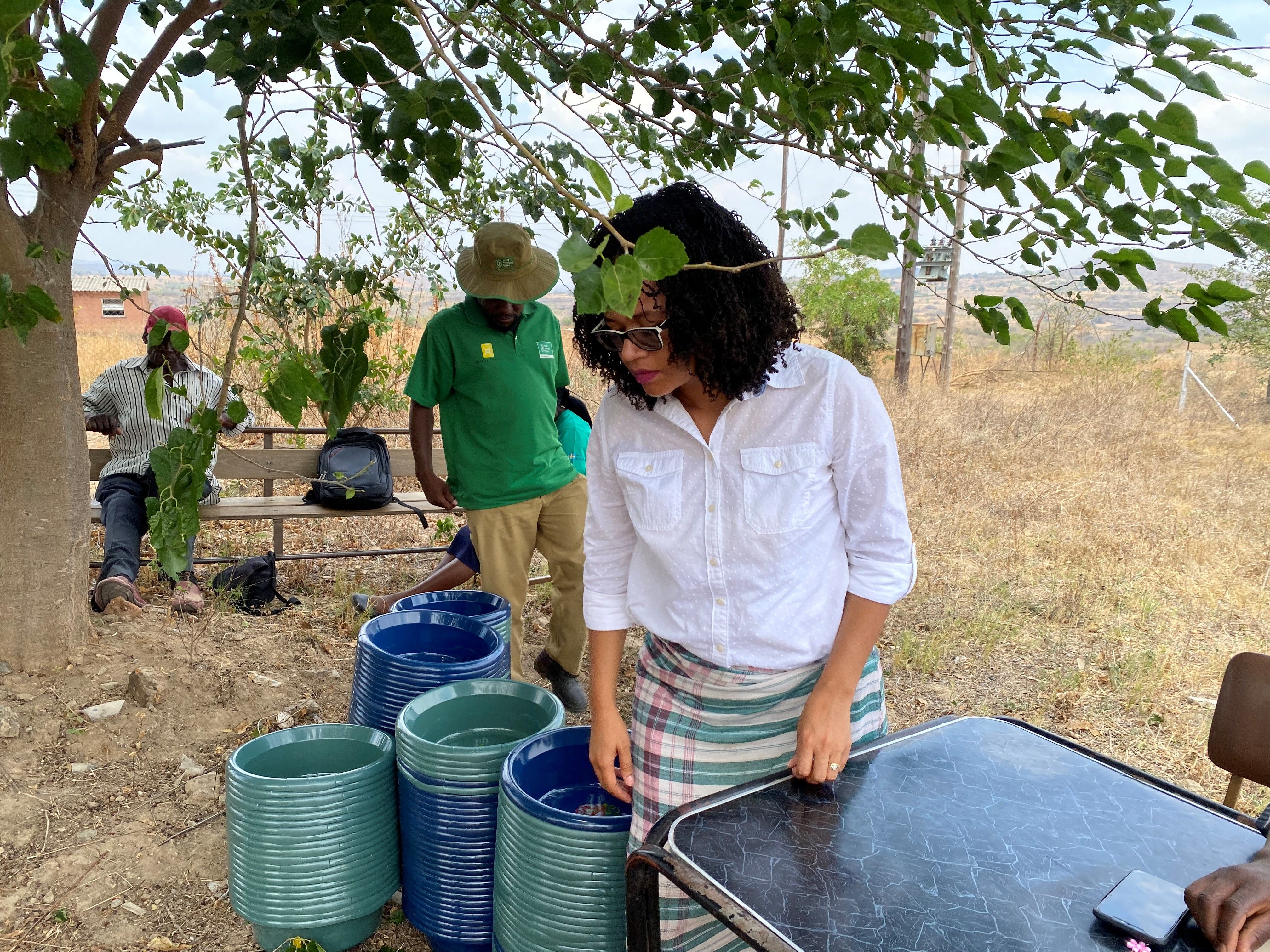
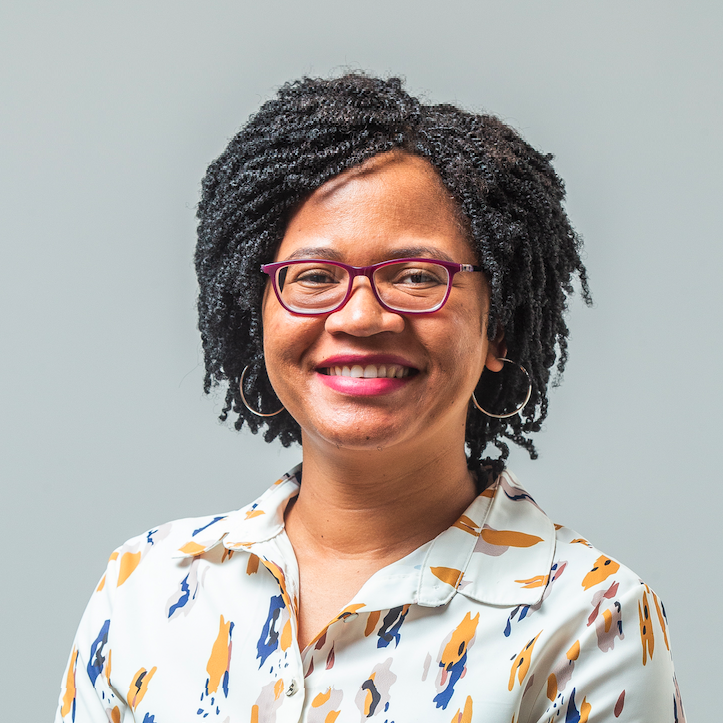
Samantha Nyathi, Programmes Manager, Sightsavers, Zimbabwe
Zimbabwe has made significant progress towards eliminating trachoma as a public health problem. Years of mapping, community engagement and comprehensive implementation of the WHO-endorsed SAFE strategy (Surgery to treat trachomatous trichiasis, the blinding stage of trachoma; Antibiotics to clear infection; and Facial cleanliness and Environmental improvement to reduce transmission and sustain progress) have reduced the burden of disease, and the country is now moving into the critical phase of transition monitoring and dossier development to validate elimination. Sustaining this progress requires strong technical leadership, careful coordination and inclusive decision-making at every level of the programme.
Through the MMM Programme, I have had the privilege of being paired with an exceptional mentor whose leadership continually inspires me to aim higher in my own career. Mentorship has become a practical learning space where we work through real challenges I face in my role, strengthening my problem-solving skills and shaping me into a more confident, strategic leader. Her belief in my potential has expanded my vision of what is possible for women in public health leadership.
The programme has also opened doors to international platforms, including the annual NTD Programme Managers’ Meetings, where I have broadened my networks and gained insights that are already strengthening Zimbabwe’s NTD programming — particularly in transition monitoring and dossier preparation as we move closer to elimination.
Equally powerful is the community created among mentees. It is a space for exchanging ideas, sharing opportunities and supporting one another’s growth. These experiences reinforce why women’s representation in senior leadership matters. Diverse leadership strengthens programme design, ensures women’s lived realities inform decision-making, and contributes to more effective and sustainable health systems. When women support and elevate one another, the entire sector advances.
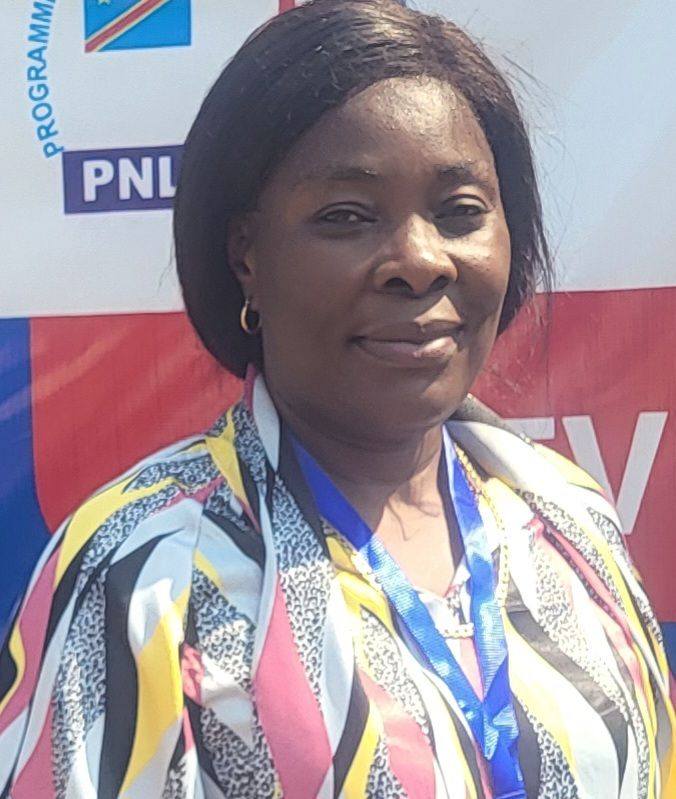
Dr Hélène Kwamba, National Programme of NTDs, Democratic Republic of Congo
The Democratic Republic of the Congo (DRC) is endemic for 15 NTDs, including trachoma. Despite the scale of need, NTD control efforts have historically faced significant challenges, particularly limited coordination, fragmented planning and insufficient funding. For trachoma specifically, progress has been constrained, with mapping completed in only 37% of endemic health districts to date. Strengthening national leadership and strategic planning is therefore essential to accelerate elimination by 2030.
Through the MMM Programme, and with the guidance of my mentor, I have strengthened my leadership skills and my ability to contribute meaningfully to NTD control in my country. The mentorship provided not only technical insight but also the strategic confidence needed to take on complex national responsibilities.
With this support, I helped coordinate the development and validation of the DRC’s NTD Master Plan 2026–2030, aligned with the global NTD road map. The recent adoption of this Master Plan marks an important milestone for the country. Leading this process was not without challenges. From drafting to validation, I encountered barriers linked to gender norms and expectations. However, the encouragement, advice and belief instilled through this mentorship programme gave me the resilience and courage to persevere.
The new Master Plan provides a critical framework to strengthen coordination, mobilise resources and expand trachoma control efforts nationwide. For a country with such a high NTD burden, strong and inclusive leadership is indispensable. Mentorship programmes like this do more than support individual careers, they help build the leadership pipeline necessary to drive sustainable, gender-responsive progress in NTD elimination.
Leadership and the power of women’s voices
Achieving gender equity in trachoma elimination demands women’s leadership at every level of the health system — from community case finding and surgical outreach to district coordination, operational research, data analysis and national policy-making. When women are present only as participants in interventions, programmes miss critical insights. When women lead, programmes become more responsive, equitable and effective.
The MMM Programme strengthens this leadership pipeline by equipping women with strategic skills, professional networks and the confidence to influence decision-making at national and regional levels. It creates space not only for technical growth, but for visibility, voice and authority.
By learning alongside peers and mentors across countries, we — as two women from Zimbabwe and the DRC — are developing context-specific solutions grounded in lived experience. This cross-country exchange enables us to challenge structural barriers, strengthen gender-responsive programming and ensure that elimination strategies reflect the realities of the women most affected by trachoma.
Conclusion
On International Women’s Day, we honour the legacy of Dr. Mwele Malecela, an icon of integrity, courage, and service. Trachoma is preventable and can be eliminated as a public health problem, yet it continues to harm the poorest communities, especially women and girls. But we also know what works: ensuring that the SAFE strategy is equitably accessible, centring women’s experiences in programme design, and elevating women leaders at all levels. As mentees in the MMM Program, and as professionals committed to NTD elimination in Zimbabwe and the DRC, we are proud to contribute to our countries’ progress and to grow as leaders shaped by solidarity, shared purpose, and women’s voices. Together, we envision a future where no woman is forced to choose between caregiving and care, and no girl’s future is dimmed by a preventable disease.