
Celebrating the elimination of trachoma in Egypt: A historical look back at Arthur MacCallan’s contribution to modern eye health
This article was written by Michael MacCallan, grandson of Dr Arthur MacCallan to celebrate the elimination of trachoma as a public health problem in Egypt as well as the centenary (1925-2025) of the Memorial Institute for Ophthalmic Research, Giza (MIOR). The article is not a product of ICTC or its members.
Celebrating the elimination of trachoma in Egypt: A historical look back at Arthur MacCallan’s contribution to modern eye health
In November 2025, the World Health Organization (WHO) validated Egypt as having eliminated trachoma as a public health problem. It is the 27th country globally to achieve this milestone and an historic achievement for a country that has recorded trachoma as far back as 1500 BC.
As Egypt and global stakeholders celebrate this success, it is fitting to reflect on the foundations that made this achievement possible. This year’s centenary of the Memorial Institute for Ophthalmic Research (MIOR) in Giza provides a timely opportunity to revisit the legacy of my grandfather, Dr Arthur MacCallan (1872–1955), whose pioneering work between 1903 and 1923 helped transform eye health in Egypt.
This reflection also comes during a month of global observance: International Day for Persons with Disabilities, Human Rights Day, and Universal Health Coverage Day – moments that remind us that access to essential health services, including eye care, is both a fundamental human right and a prerequisite for equitable, inclusive societies. Egypt’s elimination of trachoma is not only a public health success; it is a milestone in advancing these global commitments.
Introduction
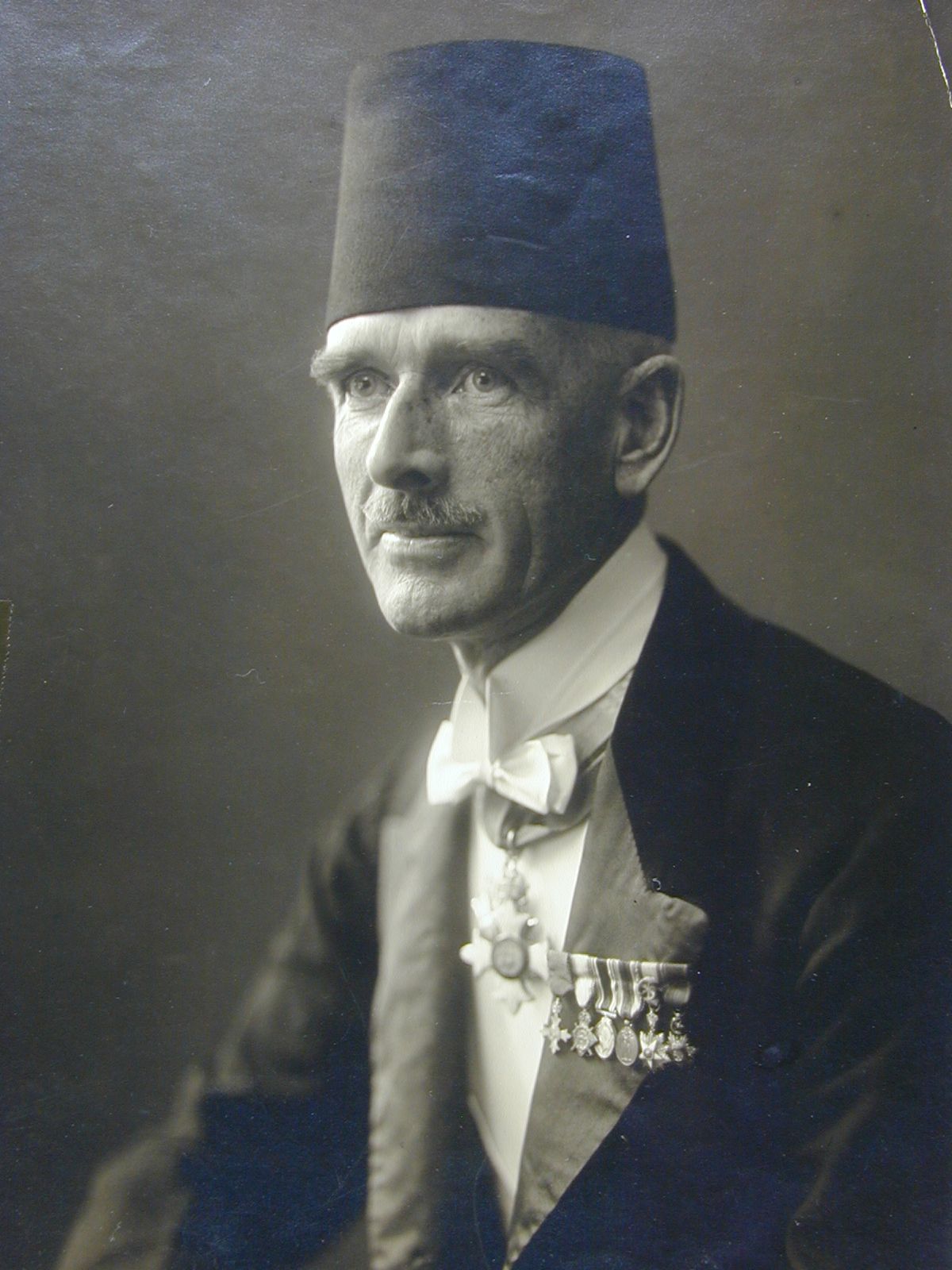
In 1903, while working at Moorfields Eye Hospital in London, Arthur accepted an opportunity to organize ophthalmic relief and train Egyptian doctors in eye disease. Supported by a generous Trust from Sir Ernest Cassel, whose attention had been drawn to the devastating extent of ophthalmia among workers constructing the first Aswan Dam, Arthur travelled to Egypt to launch one of the most ambitious eye health initiatives of his time. The Trust’s aim, to “teach the principles of ophthalmic surgery to Egyptian surgeons”, aligned with what today we would call capacity building, health systems strengthening, and local ownership, all of which underpin modern approaches to universal health coverage.
Ophthalmia in Egypt in the early 1900s
When Arthur began his work, trachoma and other forms of ophthalmia were widespread; he estimated that around 95% of the fellahin population were affected, with young children especially vulnerable. Overcrowding, poor sanitation, and limited access to medical care created conditions in which trachoma spread easily, leading to pain, disability, and blindness.
At a time when an estimated 10% of the population was blind in one or both eyes, addressing eye disease was not only a health priority, it was central to protecting people’s dignity, independence, and economic security. These principles echo today’s commitments towards people with disabilities, where avoidable blindness remains a key barrier to inclusion.
Advancing scientific research: The founding of MIOR
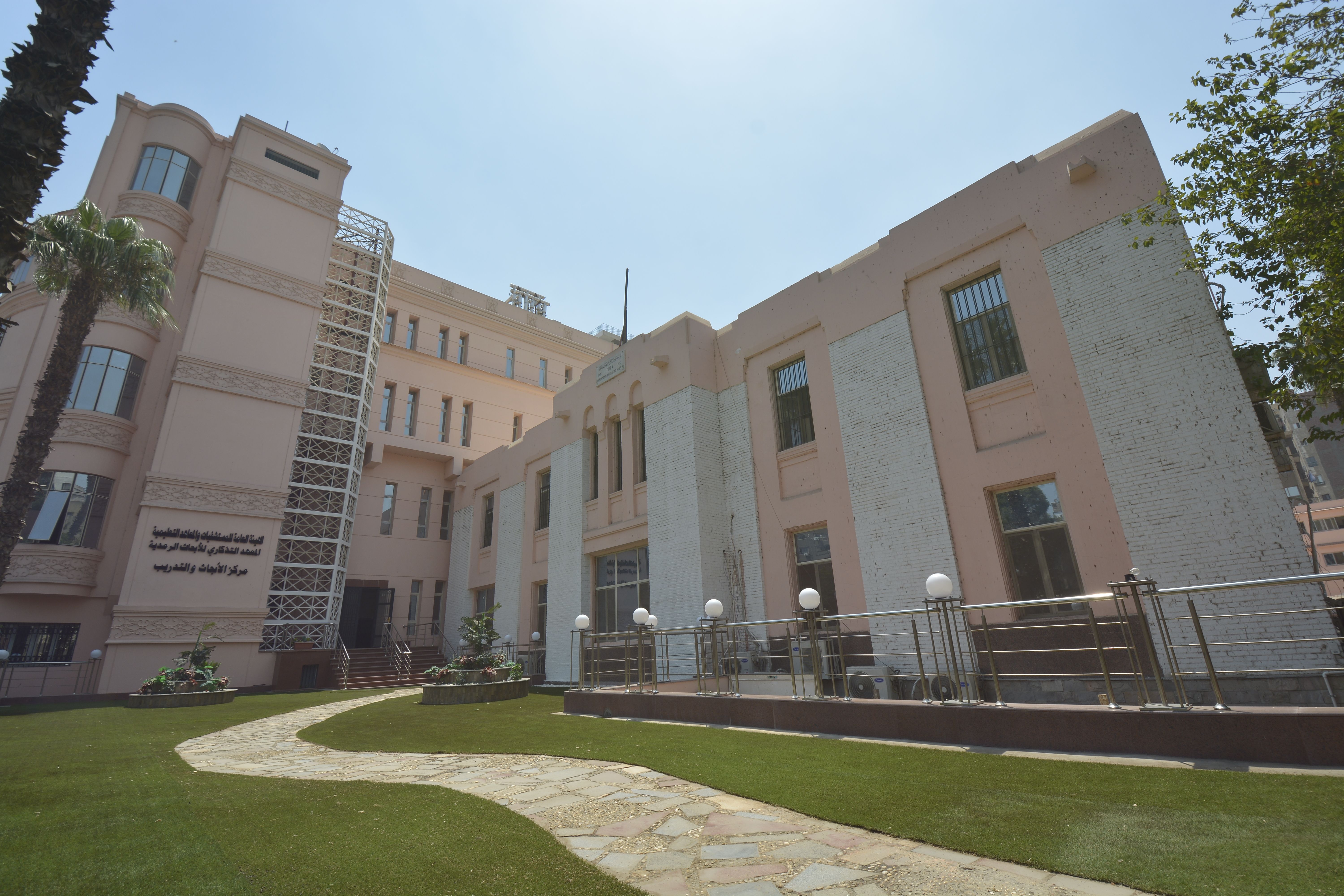
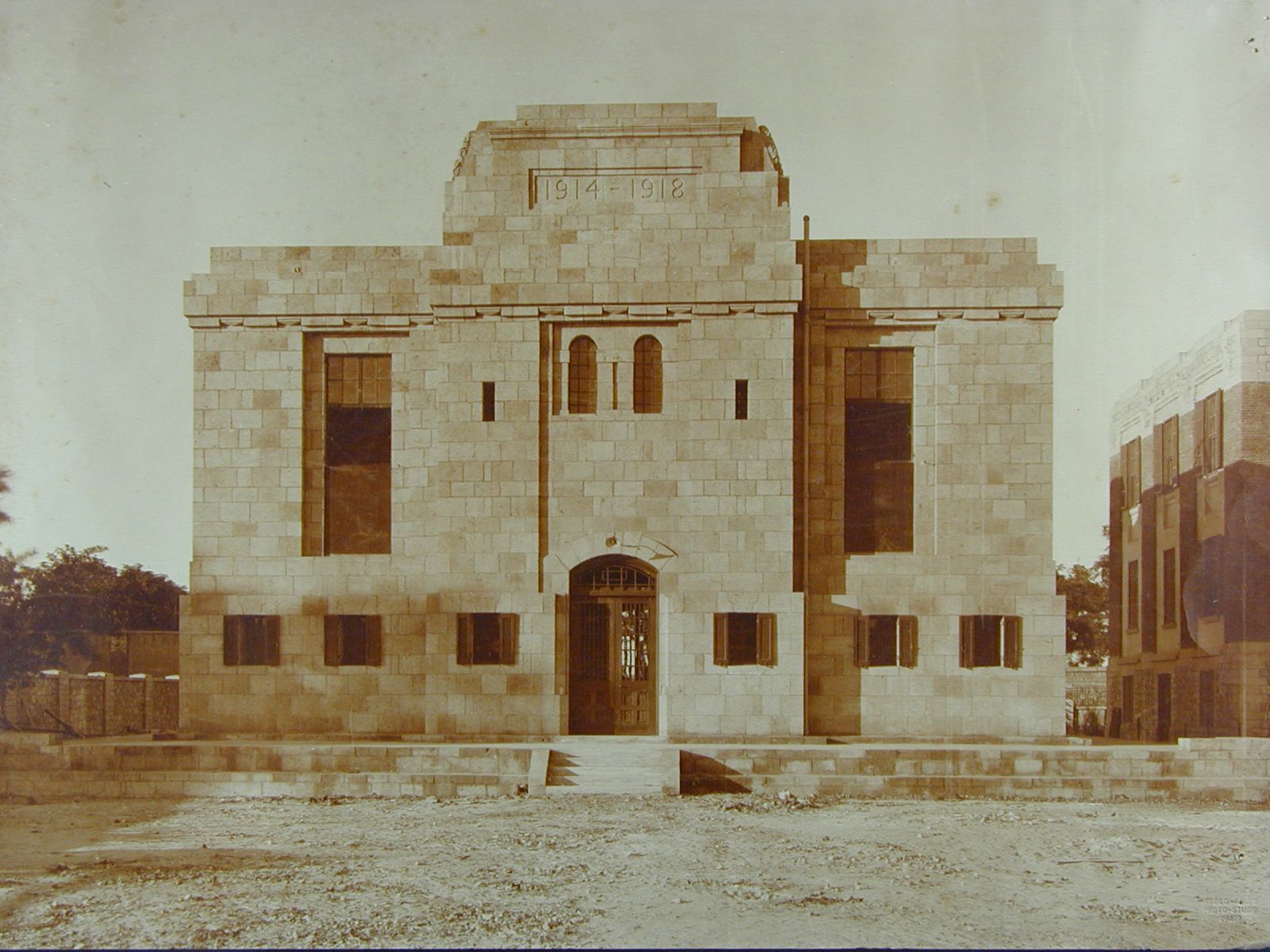
Recognizing that sustainable progress required scientific understanding, Arthur worked tirelessly to establish a research facility dedicated to the study of trachoma. This vision culminated in the creation of the Memorial Ophthalmic Laboratory in Giza (now MIOR) in 1925. Funded by the Imperial War Graves Commission as a memorial to members of the Egyptian Labour Corps and Camel Transport Corps who died in the First World War, the laboratory became a centre for research, postgraduate training, and clinical guidance.
Arthur described MIOR as the “coping stone” of his work in Egypt—a sentiment that resonates strongly today as Egypt celebrates its elimination of trachoma, supported by decades of accumulated knowledge and strengthened ophthalmic systems. Since 2016, MIOR has undergone significant expansion, emerging as one of the region’s major centres for ophthalmic training and research. The original laboratory now houses the MacCallan Archive—a bridge between history and modern progress.
Retirement and recognition
When Arthur retired in 1923, tributes poured in. The Mudir of Giza’s letter captured the sentiment of many:
“The ophthalmic hospitals created everywhere, and the energies you have devoted for combatting the spread of ophthalmia in Egypt, will no doubt perpetuate your memory and immortalise your name throughout the country.”
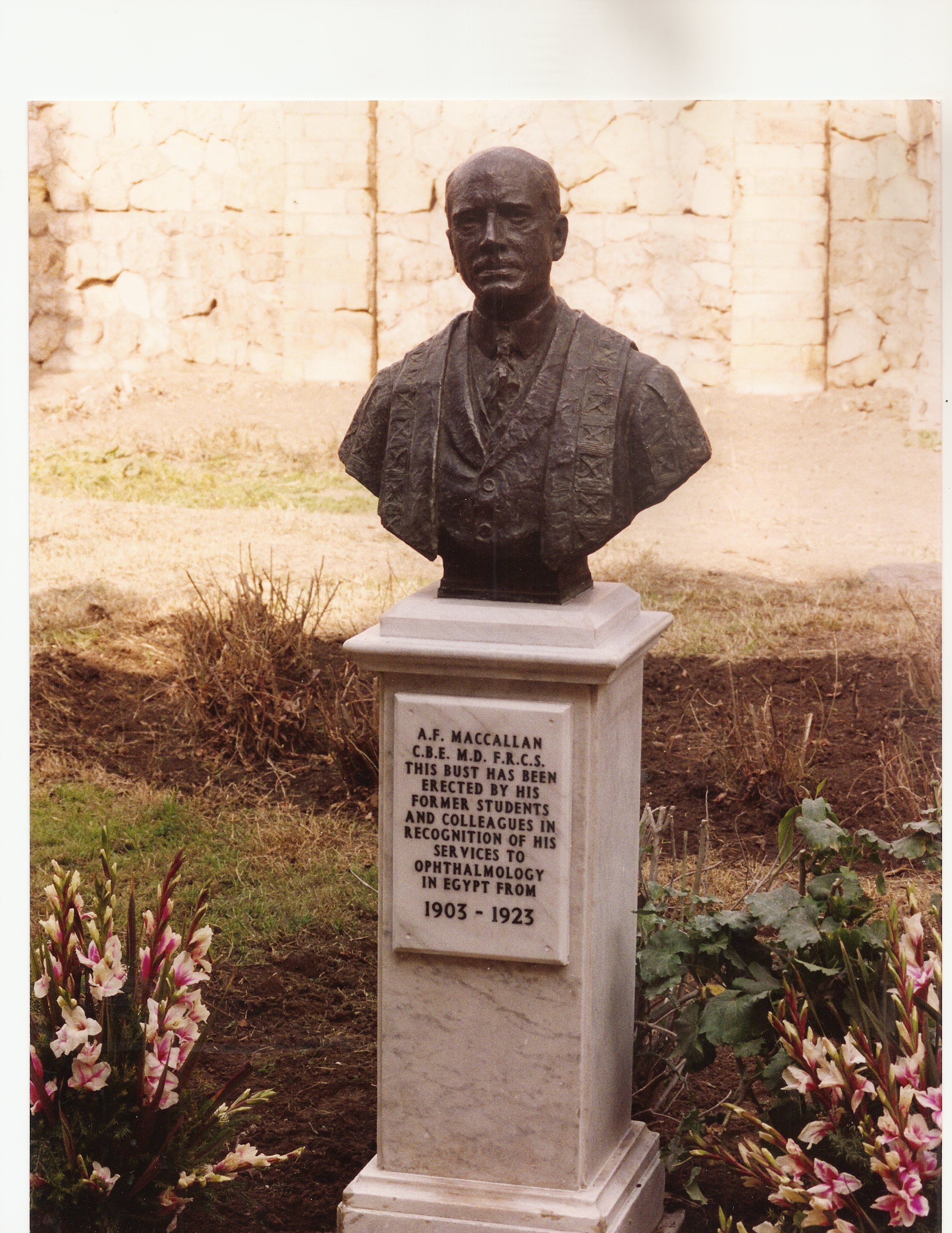
In 1931, a commemorative bronze bust was unveiled at MIOR—an exceptional honour for a foreigner—acknowledging the humanitarian significance of his work.
A legacy reflected in today’s milestones
As Egypt becomes the 27th country in the world to eliminate trachoma as a public health problem, the significance of this achievement extends far beyond epidemiological success. It is a moment that embodies the values celebrated this month: the affirmation on Human Rights Day that access to quality eye care is a fundamental human right; the commitment honoured on Universal Health Coverage Day to build health systems that reach everyone, everywhere; and the spirit of inclusion upheld on the International Day for Persons with Disabilities, where preventable blindness is recognised as a barrier to independence, opportunity, and full participation in society.
Egypt’s validation is also a testament to the generations of Egyptian health workers, researchers, and community leaders who carried forward the early foundations laid more than a century ago. In many ways, the progress achieved today reflects the enduring impact of Arthur MacCallan’s vision, one rooted in the belief that alleviating suffering, expanding access to care, and strengthening national capacity were essential investments in people’s dignity and wellbeing. As Egypt celebrates this historic milestone, the legacy of his work continues to live on in the health and futures of millions.
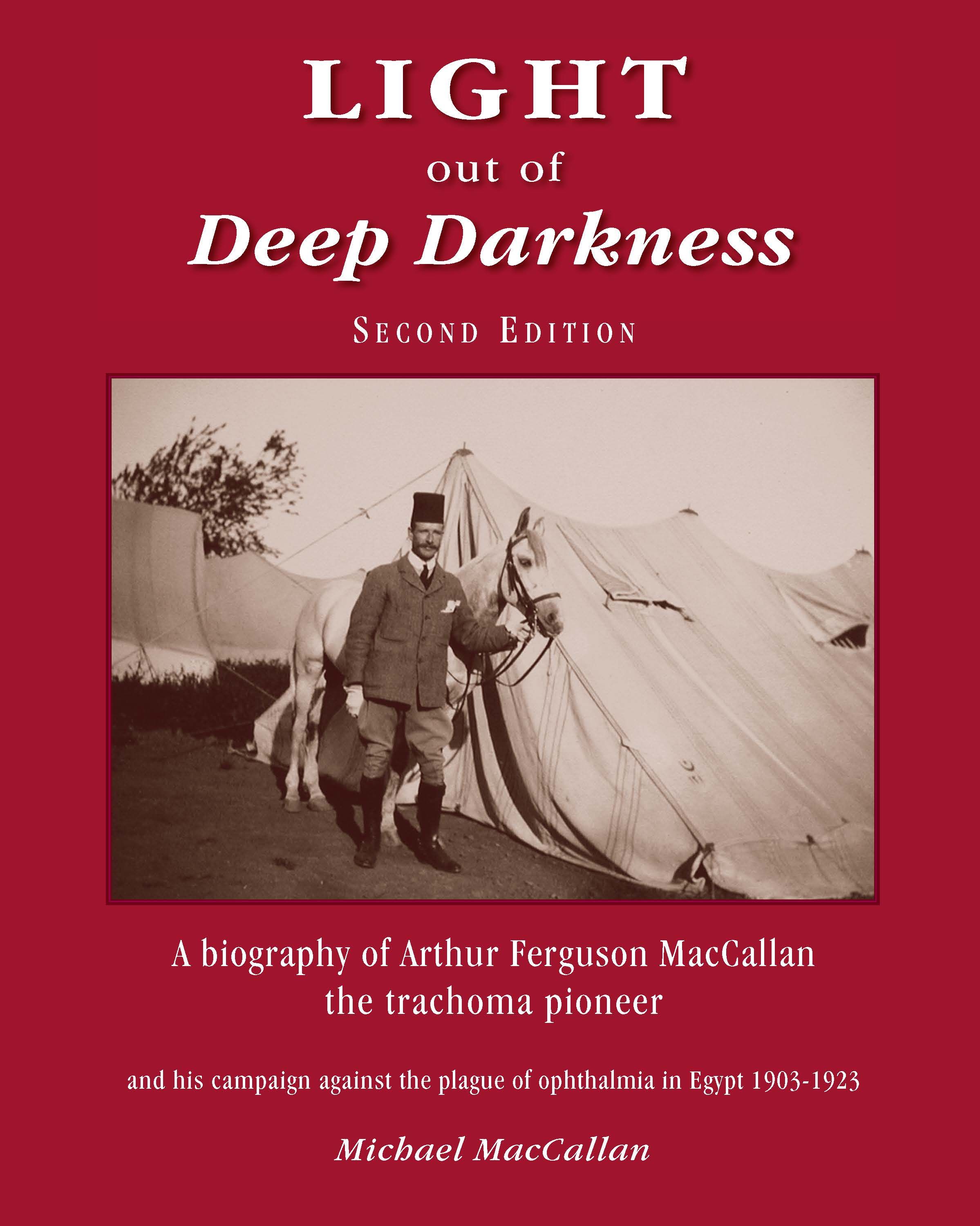
Note on Author
Michael MacCallan is the grandson of Dr Arthur MacCallan. He is also author of Arthur’s biography “Light out of Deep Darkness” (Choir Press, 2nd edn, 2018). This follows Arthur’s fascinating career and is illustrated with many contemporary photographs. This biography is now available in Arabic via the National Centre for Translation (NCT), Cairo. e-mail: mmaccallan@yahoo.co.uk
Dr Arthur MacCallan Archive
The Dr Arthur MacCallan Archive (documents and photographs) is now under the custodianship of the Royal College of Surgeons in England (RCSEng) ref: MS0577. A copy of this Archive has also been donated to the MIOR.